


Food and farming as tools for social sustainability
19 September 2025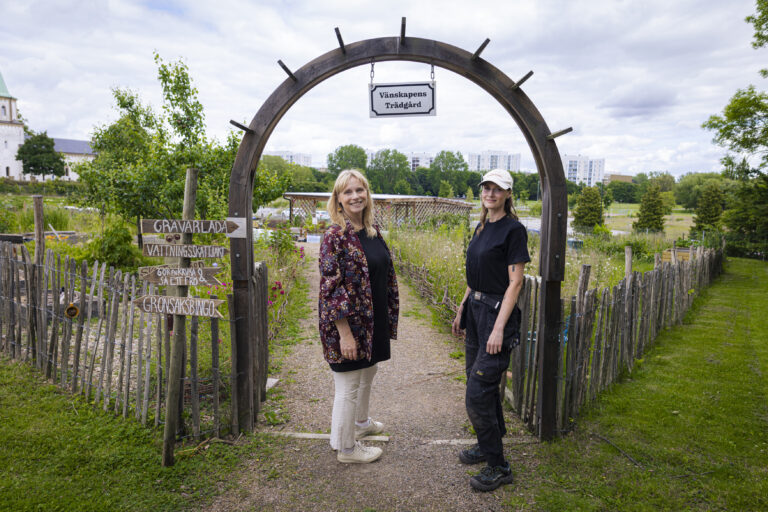
Publicerad 08:44
Food and farming are the focus of the social work that the Botildenborg Foundation has been conducting for the past 10 years on an urban farm close to the city of Malmö. Innovative methods are being used to shorten the path to employment for people who are currently far removed from the labour market. They are now receiving support from the European Social Fund to gather knowledge and methods in a national knowledge platform.
Botildenborg, a farm dating back to the 1860s, is located on the outskirts of the Rosengård district of Malmö. At first glance, it looks like a lunch restaurant and conference venue, but the non-profit Botildenborg Foundation is so much more than that. The urban farm runs many different types of social sustainability projects for a variety of target groups, ranging from preschool children to new arrivals to Sweden and pensioners.
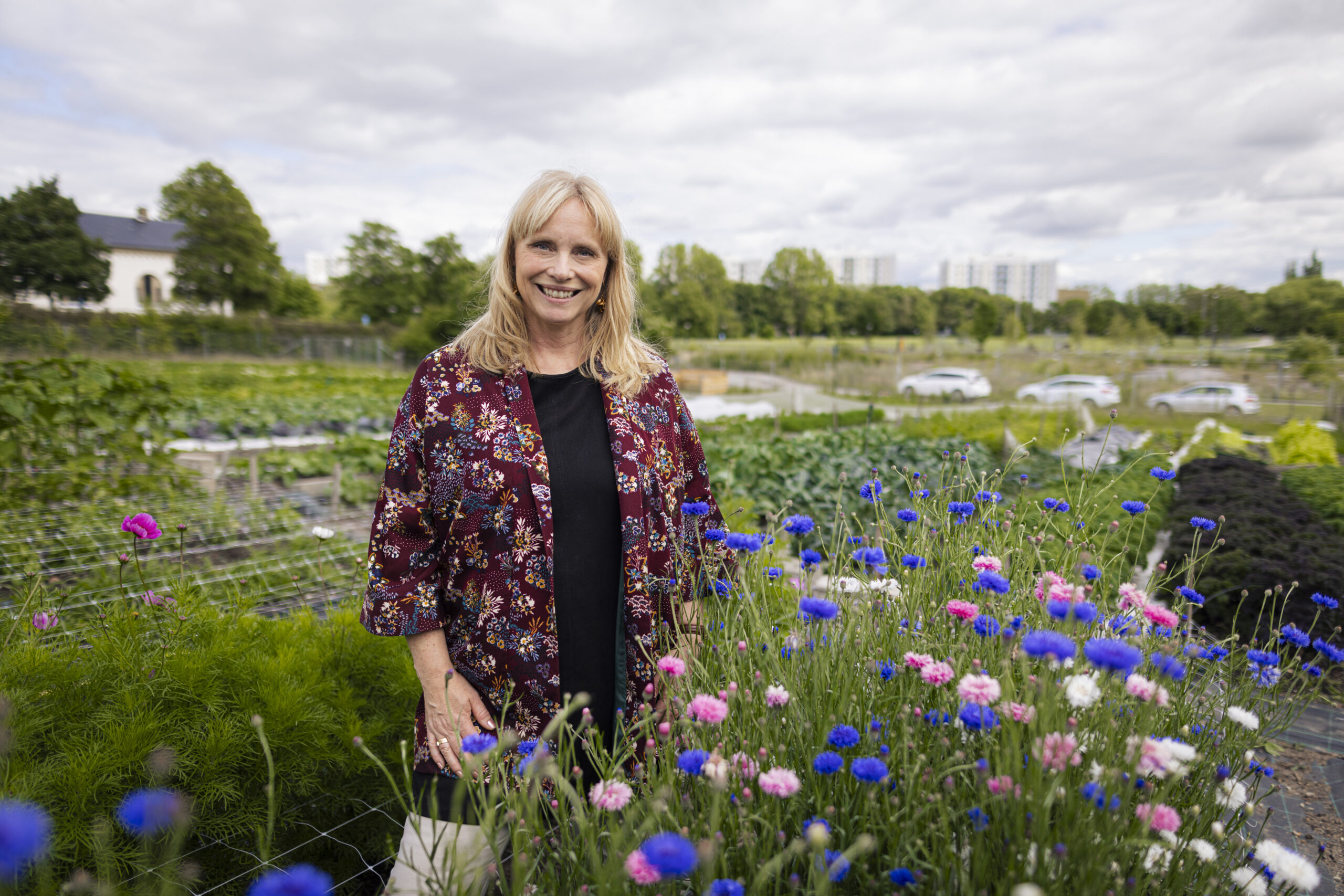
“We use food and farming as tools to create methods and activities that help to build a sustainable society,” says Botildenborg founder Lena Friblick.
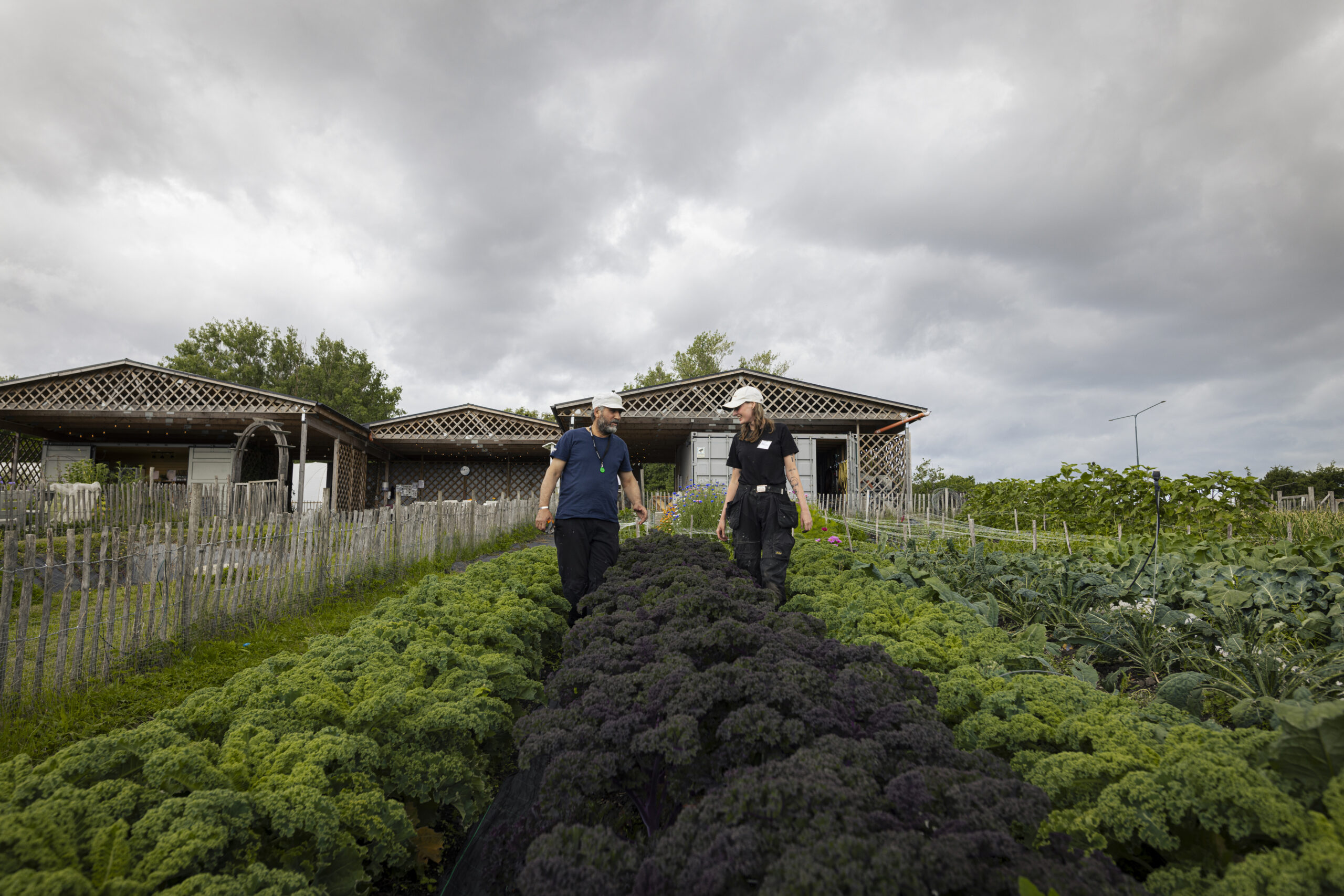
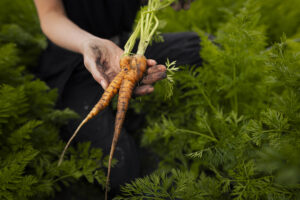
Behind the main building, the well-tended crops stretch as far as the eye can see. Here, vegetables such as cabbage, lettuce, tomatoes and squash grow alongside colourful edible flowers – and most of what is grown ends up on the restaurant’s plates.
Watch the video about the project
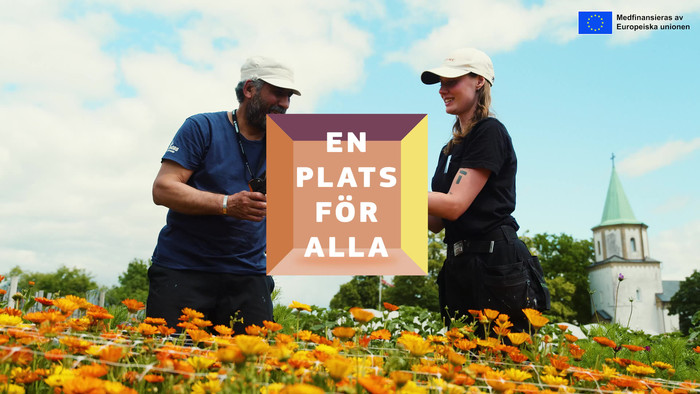
Social sustainability project
Lena Friblick, who is a journalist by trade, sowed the seeds for what is now Botildenborg when she made a television series in 2011 about cooking and growing food in the Rosengård district of Malmö.
“I wanted to show a different side of Rosengård and tell a positive story,” says Lena.
During her work, she saw the power of food and farming, and shortly afterwards sought support from the European Social Fund for the Växtplats Rosengård project, an integration project focusing on farming for foreign-born residents of Rosengård.
There was a great deal of interest in the project. There was a great deal of interest in the project. Shortly after that, Lena was given the opportunity to buy Botildenborg from the municipality, on condition that the organisation would continue to work for social sustainability.
However, the farm had been abandoned and was in a state of disrepair, so the renovation was carried out as a project that aimed to shorten the path to employment for people who were far removed from the labour market.
“The participants in the project worked alongside people who were established in the labour market. This gave them the opportunity to learn about the Swedish labour market and build relationships that ultimately led to them being matched with a job.”
Botildenborg Growing Site
Over the years, a number of projects have been carried out for different target groups, including helping more than 50 Ukrainian refugees enter the Swedish labour market. Today, there is also a partnership with the City of Malmö for the Växtplats Botildenborg initiative. With support from the municipality, people who are currently far from the labour market can come to Botildenborg and receive vocational employment training, either directly with the crops, in the kitchen or as serving staff.
“The people who come here are often in need of a fresh start. Once here, they work alongside us employees, which usually sparks their motivation. That sense of community permeates the entire project. Here, we make no distinction between employees and employment training programme participants – everyone works side by side,” says Lena.
More work experience
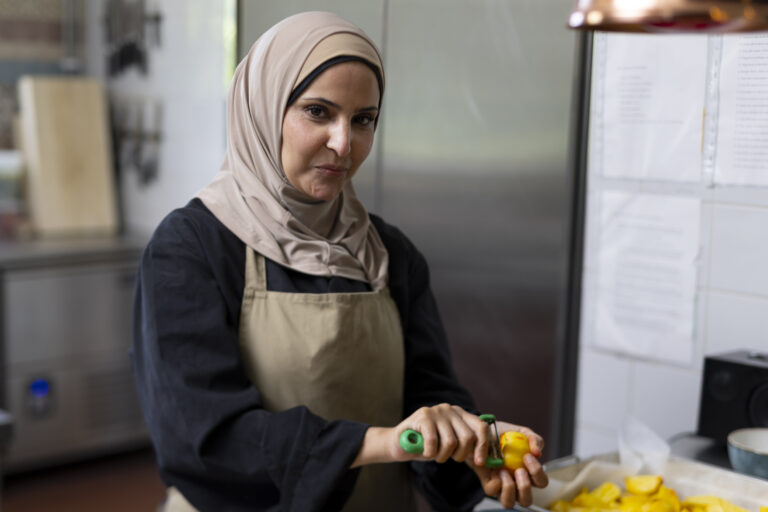
Fatema Dabor came to Sweden from Syria nine years ago. After many years without a job, she now has the opportunity to take part in an employment training programme at Botildenborg.
“I work in the kitchen and prepare food for lunch guests, for example by chopping vegetables. I have training as a kitchen assistant and here I’ve gained more experience of working in a kitchen,” says Fatema.
– I Syrien var jag biodlare. Min dröm är att lära mig svenska bättre så att jag kan starta ett företag och bli professionell biodlare här i Sverige också
She also says that she has learned a lot of Swedish during her time at Botildenborg.
“I get to meet lots of people, which is good. In the future, I hope to work as a chef.”
Another employment training programme participant at Botildenborg is Nasser Alsaree, also from Syria. He has been at Botildenborg for almost two months and works out among the crops, for example cutting grass.
“It’s very nice here. We help each other and work together. And I have a lot of fun cutting the grass!”
Many of those who come to Botildenborg also study Swedish through SFI (Swedish for Immigrants).
“In Syria, I was a beekeeper. My dream is to learn Swedish better so that I can start a business and become a professional beekeeper here in Sweden too,” says Nasser.
National knowledge platform
Botildenborg has recently received funding from the European Social Fund for a project that aims to gather all the knowledge and methods developed through the various projects that have been carried out into a national knowledge platform.
“Over the 10 years that Botildenborg has been in existence, we have accumulated a great deal of knowledge. If we can transform that knowledge into training courses that enable us to spread that knowledge to more people, we can bring about real change at the societal level,” says Lena Friblick.
She hopes that Botildenborg can continue to be a force for change and a place that can make a difference for many people.
“It seems like there is so much focus on writing about the negative happenings in society these days. I think we are like a beacon in the darkness, showing that there is a way forward and that it is possible to achieve something good. Over the years, I have seen how food and farming can change people’s lives, and that is what we do here at Botildenborg.”
More about the project
Botildenborg has been run as a non-profit foundation since 2016. During this period, several different projects focused on social sustainability and integration have received support from the European Social Fund.