

Laying the foundation for the digital journey at museums
30 October 2025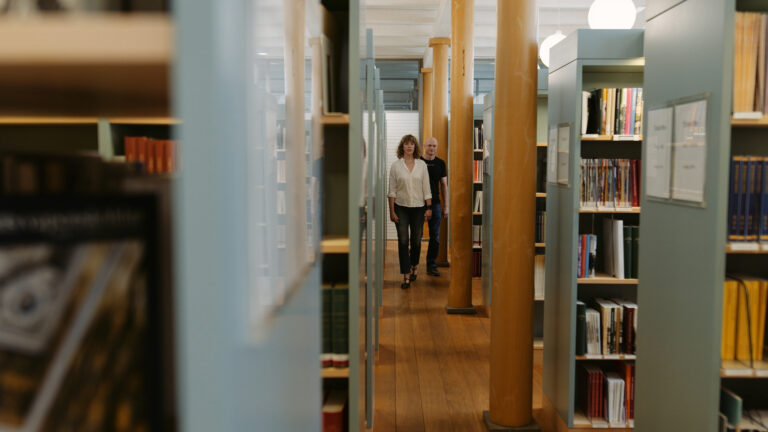
Publicerad 09:55
The Swedish National Heritage Board is implementing a comprehensive skills initiative in the field of digitalisation with support from the European Social Fund. The aim: to train staff at Stockholm’s twelve national museums on digitalisation to secure durable, interconnected digital cultural heritage.
The displays presented at Nationalmuseum, the Moderna Museet or Skansen are merely a fraction of the collections managed by Stockholm’s national museums. Behind the scenes, millions of artefacts are stored that the public never sees. But all that’s changing.
“It’s all a matter of democracy. Our cultural heritage belongs to all of us, yet it can easily remain locked away in a museum. When things are digital, everyone can access them, whether they’re in Stockholm or on the other side of the world,” says Pia Thiel, communications officer for the Digital Museums Initiative (Digitala museilyftet) project at the Swedish National Heritage Board.
You can also watch a video about the project
Comprehensive skills initiative
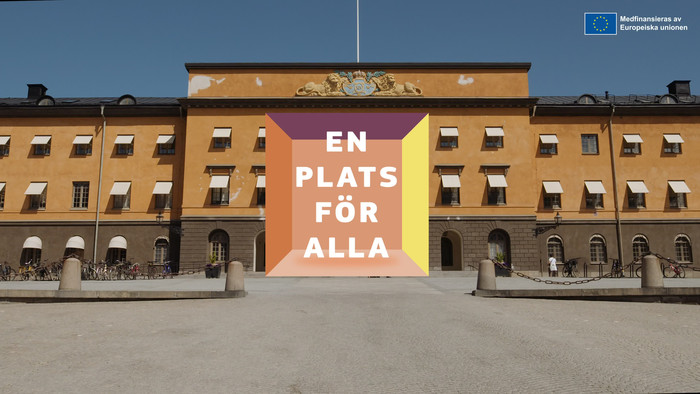
Since 2023, the Swedish National Heritage Board has been running its Digital Museums Initiative project with support from the European Social Fund. This project involves all staff at twelve national museums in the Stockholm area.
Hela samhället är inne i en digital omställning just nu, så även kultursektorn
An e-learning platform has been developed as part of the project, allowing museum staff to take various courses. All 1,200 employees at Stockholm’s national museums complete eight hours of basic training.
“Participants are introduced to digital cultural heritage and the potential of digitalisation. The aim is to create common ground and enhance staff skills so that they can take part in digital developments,” explains Pia Thiel.
AI paves the way for new opportunities
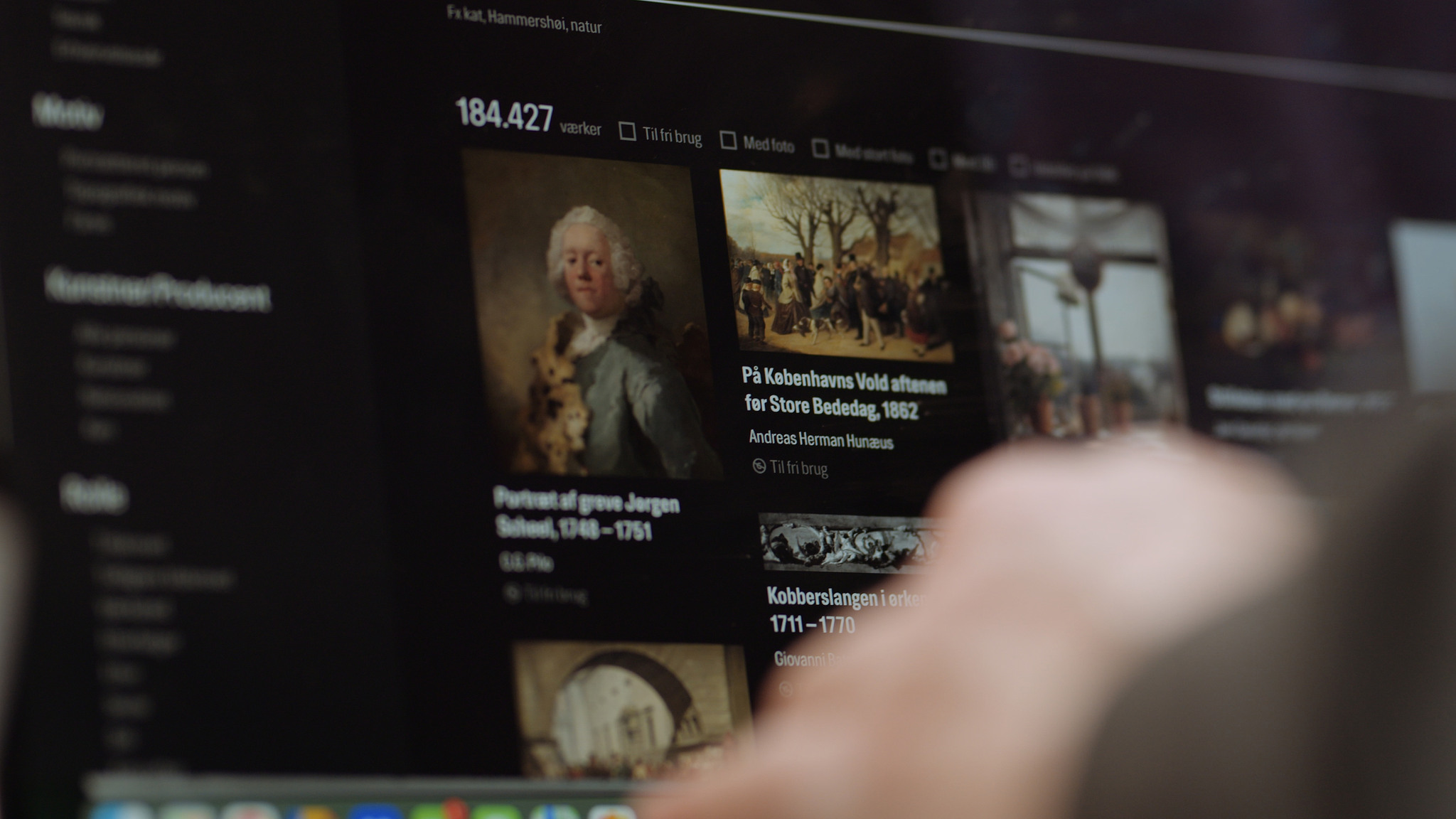
Digitalisation offers enormous opportunities when it comes to preserving cultural heritage and making it accessible. And when it’s combined with other digital tools such as AI, which are capable of analysing vast volumes of data relating to cultural history, it becomes possible to identify patterns that open up entirely new fields of research in cultural history, archaeology and art history.
“For instance, we’re already seeing what can be done by the Swedish Lion AI tool. It’s capable of reading handwritten texts dating back to the 17th century with 95 per cent accuracy; or there’s the Laboratory for Digital Archaeology at Lund University, which is creating infrastructure for archaeological data and allowing completely new 3D models to be created,” says Fredrik Nordbladh.

From museum requirements to user needs
Digitalisation isn’t just intended to increase accessibility. Explanation: The word “accessibility” is used to describe how well an activity, place or premises works for people with disabilities. This includes the physical design of premises. It also involves having access to information and communication and being able to use products and services. The aim is for all initiatives and employment opportunities created with support from the ESF Council to be accessible to everyone, while also safeguarding our cultural heritage for future generations. Artefacts deteriorate over time, and they may be destroyed by conflicts or natural disasters. Fredrik Nordbladh also emphasises the paradigm shift from a user perspective.
Museums have traditionally been places that welcome people on the museum’s own terms. But with digitalisation, we need to ask: how do users want to engage with the collections?
Summary of the Digital Museums Initiative project
* The Digital Museums Initiative project involves twelve national museums in the Stockholm region, including Nationalmuseum, Moderna Museet, Skansen and the Museum of Technology.
* This project is an initiative aimed at strengthening digital skills in the museum sector and securing Sweden’s cultural heritage for future generations.
* It provides training for 1,200 staff: basic training (8 hours), leadership training for 180 managers, and advanced training for 150 people (16 hours).
* When the project comes to an end in 2026, all e-learning courses will be published under an open licence so that all museums across Sweden can access them.
* Project period: 2023–2026.