
A Blind Spot brings young girls involved in gang crime into focus
8 December 2025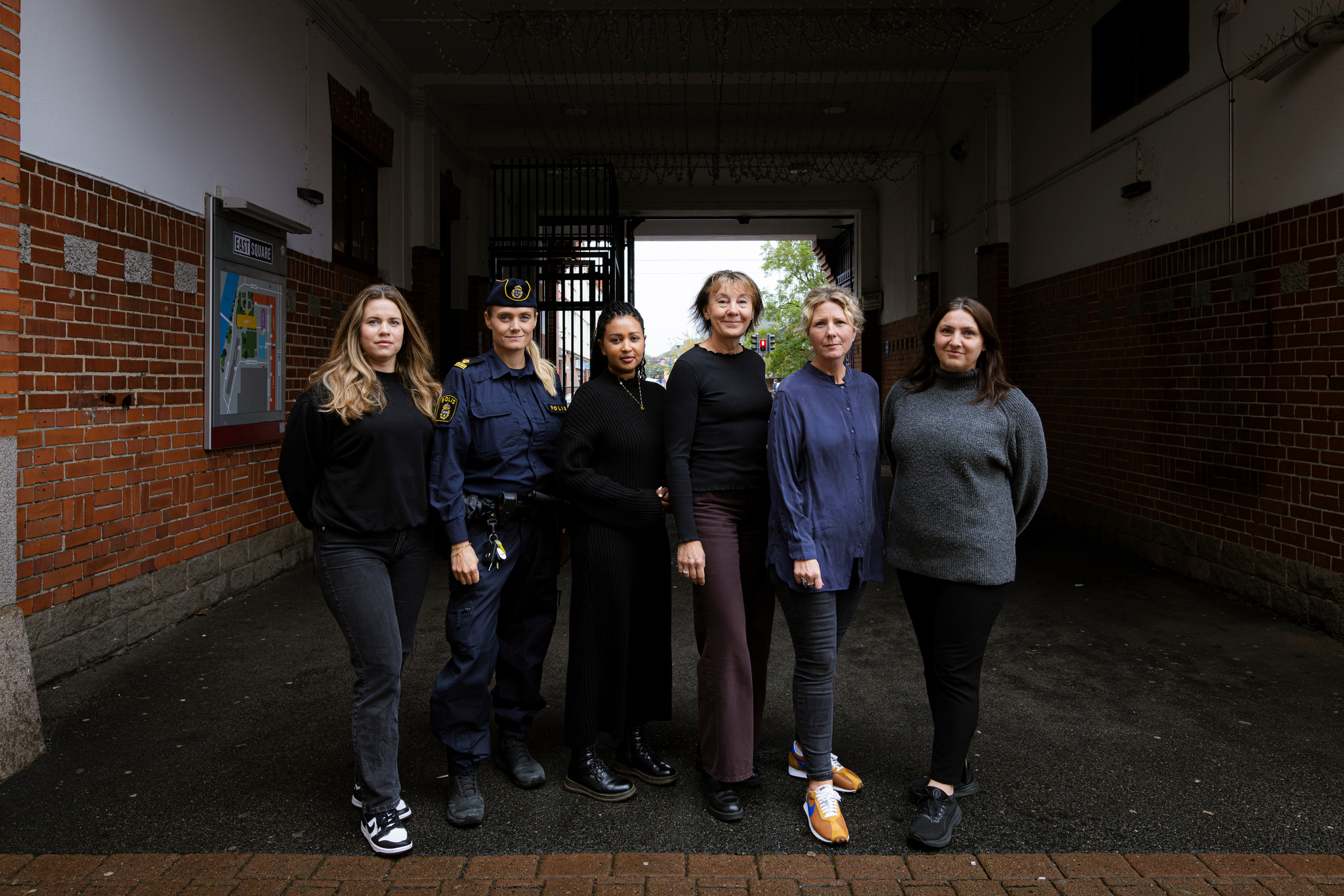
Publicerad 14:05
Social services in Gothenburg had been observing girls involved with crime for a number of years, but nobody knew how to reach them. The A Blind Spot (En blind fläck) project has changed that – and the results speak for themselves.
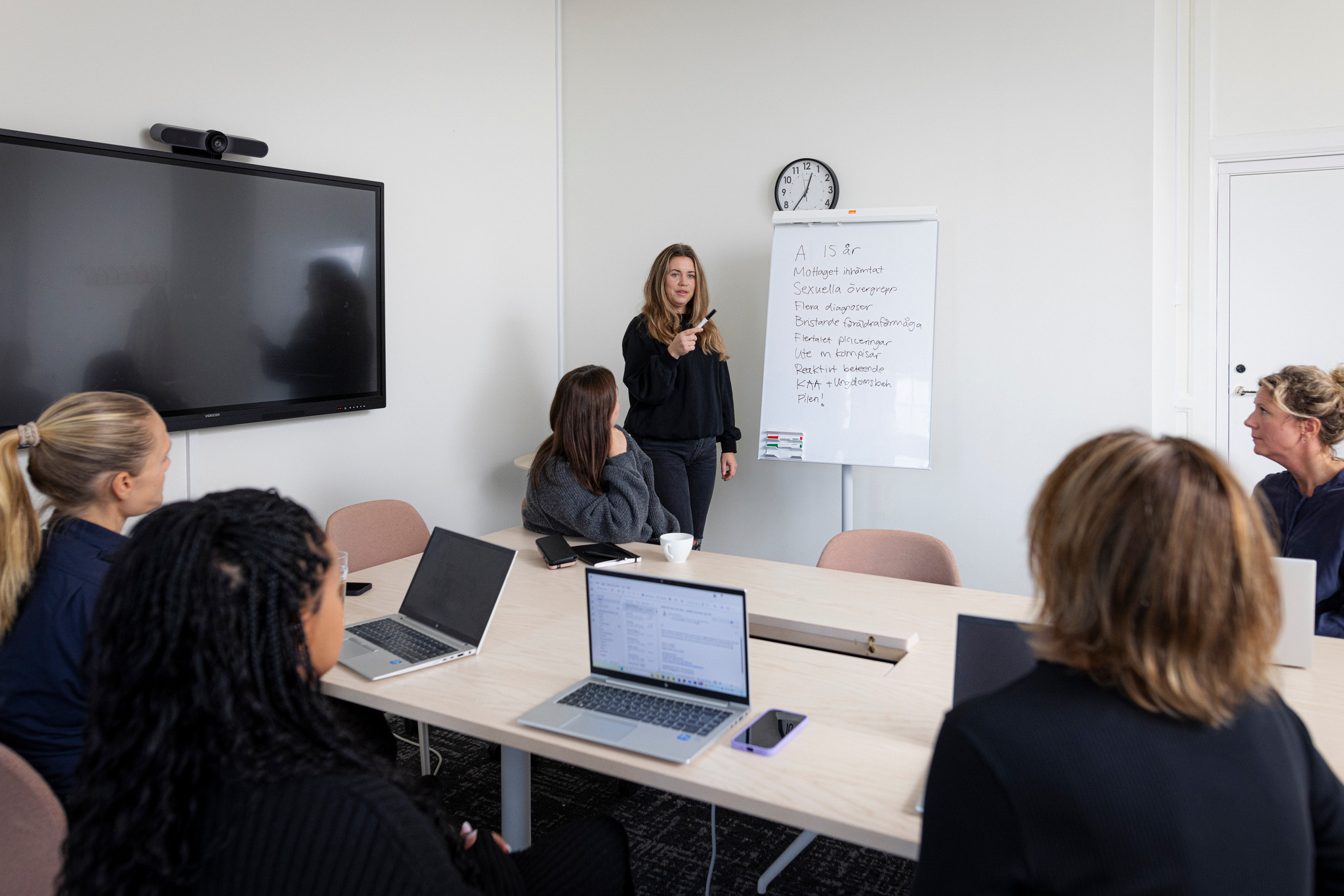
Anna Danielsson, SSPF coordinator (School–Social Services–Police–Leisure) at UngNordost, part of Social Administration Nordost in Gothenburg, describes the problem that had been causing concerns for a long time.
“We’d seen the girls over the years, we just didn’t know how to reach out to them. What problems are they facing? To what extent are they involved in crime? How vulnerable are they?”
To try to resolve the issue, the Social Administration in Gothenburg launched the “A Blind Spot” project with the support of the European Social Fund.
Watch the video about the “A Blind Spot” project
Collaboration as a tool
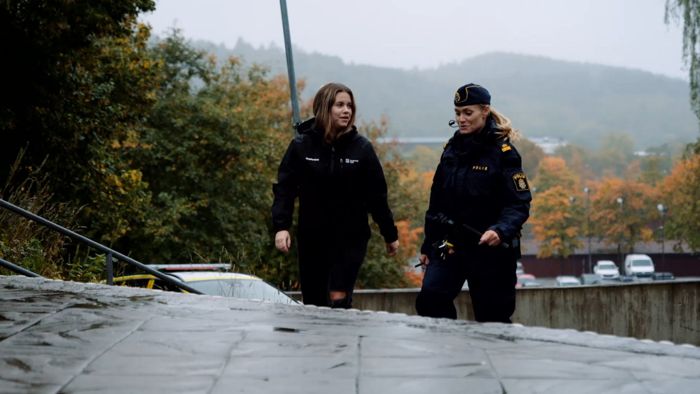
The unique thing about “A Blind Spot” isn’t just that the project brings girls into focus – but how it manages that. Bringing together social services, the police and midwives with specialist expertise in sexual violence and allowing them to talk to one another has enabled a model to emerge where different experts complement one another in ways that simply weren’t possible before.
“We realised we couldn’t do this on our own. Social services, the police and healthcare services need to work together to identify the girls and adapt our approach,” explains Anna Danielsson.
Each stakeholder brings a unique perspective to the table: the police encounter the girls in the context of crime, social services are able to offer long-term support and interventions, and midwives are able to offer trauma-informed care and support in cases of sexual vulnerability. Together, they create a comprehensive picture that no one authority can create alone.
Project outcomes
From invisibility to collaboration:
- Number of consents from girls over 18: 12
- Number of consents from girls under 18: 13
A change of perspective:
- More reports of concern from the police thanks to knowledge exchange
- Schools identify threats and violence against girls and take them seriously
- Greater awareness of “blind spots” at social services reception centres
Unique collaboration:
- Systematic cooperation between social services, the police and healthcare services
- Flexible meeting places: interview rooms, cars, cafés, detention centres
- Focus on sexual health and vulnerability as part of the support
Invisible in a different way
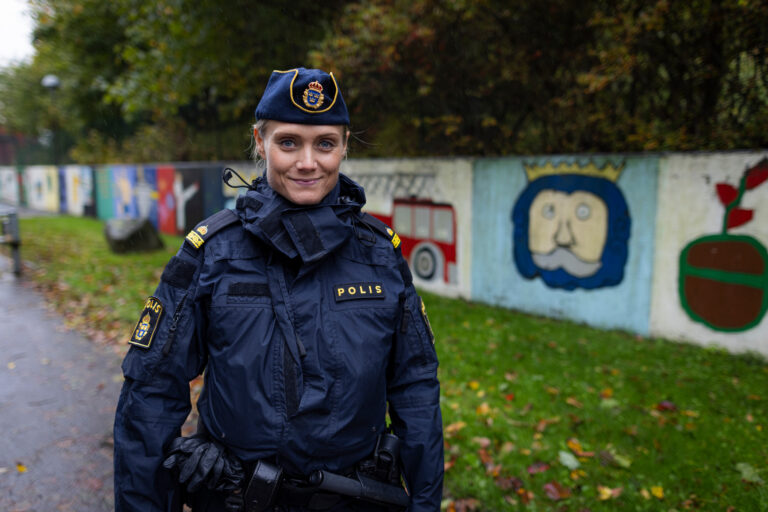
Caroline Eriksson, a community police officer, describes how the collaboration has altered the work of the police.
“When we stop a car or carry out a raid, we now see the girls in a different light to the way we used to see them. This might also lead to different measures being taken against the girls, as we realise they may also be part of gang crime. But we also know they themselves might be victims of crime. Our aim is to file far more reports of concern in relation to these girls than we do at the moment, so that they can get the right help to escape the situation they’re in.”
When the authorities began working together systematically, a picture emerged that was both clearer and more complex than anyone expected. The girls were there; they had agency, they were involved in crime – but their movements weren’t the same as the boys’.
“The lads stick with their gangs in their local areas. The girls are less fixed in place and move across geographical areas – they’re invisible in different ways to lads,” explains Anna Danielsson.
This mobility made them harder to detect, but also more vulnerable.
det handlar om att bygga tillit och skapa en trygg plats dit tjejerna faktiskt vill komma
Sexual vulnerability – the hidden dimension
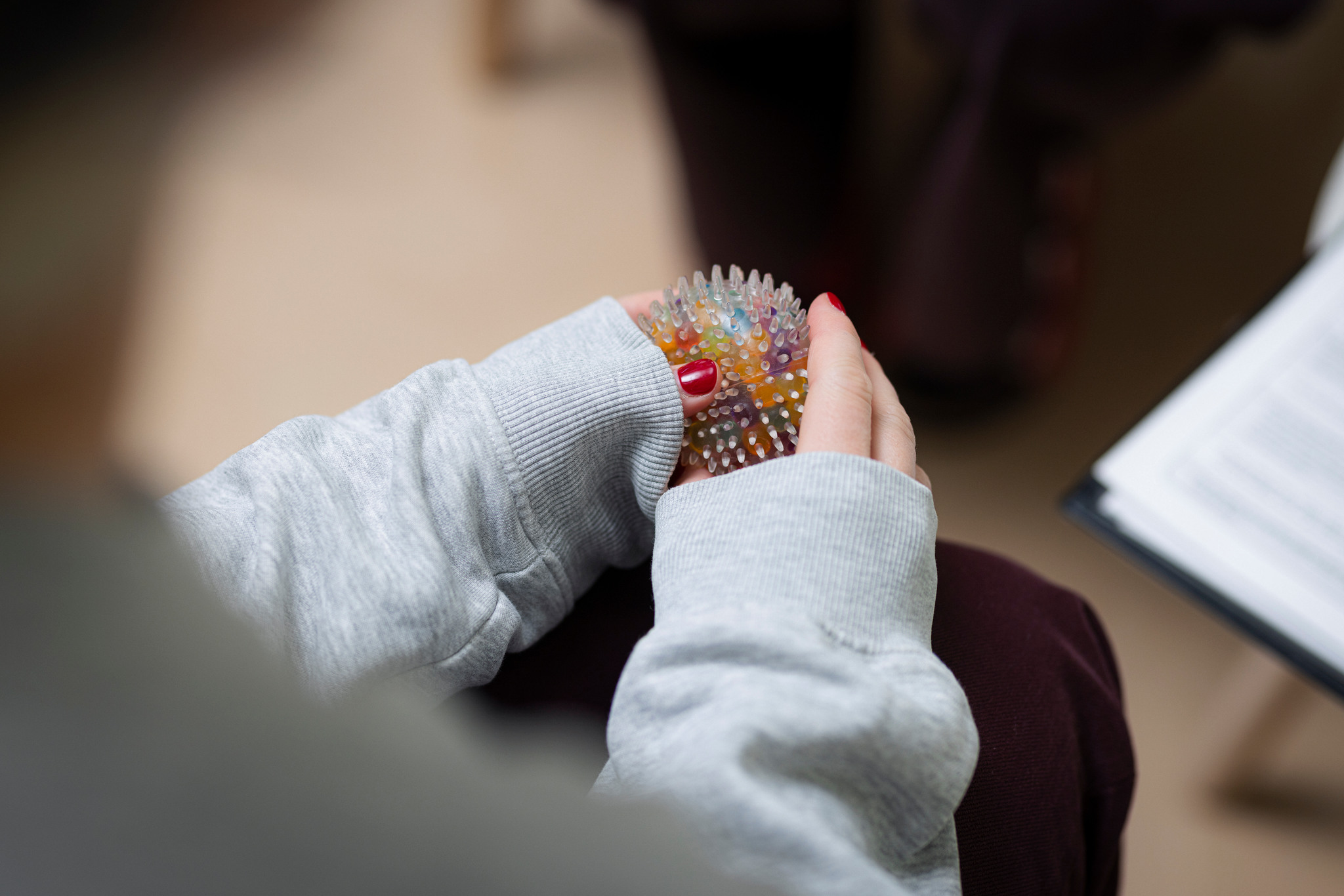
One of the project’s most striking insights is the link between crime and sexual vulnerability. Most of the girls who turn up have been sexually abused. Collaboration with midwives has become a crucial piece of the puzzle in this respect. Anneli Sundgren is a midwife who’s also trained in psychotherapy and trauma. She works at the MSÖ Pilen reception centre for victims of sexual violence where “A Blind Spot” participants. Explanation: A natural person who benefits directly from a project without being responsible for initiating or both initiating and implementing the initiative. over the age of 13 turn up to talk about their mental and physical health.
“We can offer counselling and talk about sexual experiences, vulnerability, sexuality, the body and health. The girls can also get help with tests and contraception. We don’t just offer medical support, though. It’s about building trust and creating a safe place that girls actually want to come to. And when I’m part of the team, we can share knowledge and pick up signals that would otherwise be missed.”
The presence of the midwife has opened doors to the girls’ experiences of violence and vulnerability that were previously closed. When one girl was being held on remand, the midwife was able to visit her there during the critical period when she was most in need of support. It’s this kind of flexibility and cohesion between authorities that makes “A Blind Spot” so unique. A clear part of the issue surrounding the vulnerability of girls in these environments is that many of them have been subjected to sexual abuse early on in life and develop self-harming behaviour linked to this.
“Self-harming behaviour is a reaction to having experienced some truly terrible things that cause severe anxiety, which people may try to alleviate by using drugs, self-harming or seeking reassurance from people where there’s a high risk of them being abused again,” says midwife Anneli Sundgren.
Questions that need to be asked
The project has involved methodological work in which both SSPF (School–Social Services–Police–Leisure) and SIG (Social Action Group) have opened up to include a perspective focused on girls. New questions are asked systematically: about sexual vulnerability, about who the girls spend time with, about their friends.
“We ask about sexuality, the body and health, regardless of whether they’ve been abused. It’s all part of understanding their situation,” says Anna Danielsson.
This continuous exchange of knowledge between the police, social services and midwives has improved the ability of all stakeholders to ask the right questions and spot the warning signs earlier. Flexibility has been crucial. These conversations don’t just take place in interview rooms, but in cars, in cafés, in detention centres – wherever the girls happen to be.
Significant increase in girls
The figures show a clear change. Before the project began, the number of girls over 18 who’d signed consent forms with social services was zero. Today, twelve of them have done so. No fewer than 25 girls aged between 12 and 26 have signed consent forms and are now receiving support through the project. However, the number of girls they’ve managed to reach out to and who could potentially take part in the project is close to 50.
“We know that when we plant a seed of change, it can take a long time before people actually seek out and accept the help available to take a different path in life,” says coordinator Anna Danielsson.
The change can’t just be seen from the statistics, either. The police are now submitting more reports of concern thanks to the systematic exchange of knowledge between authorities. Schools have also changed their approach – they now take threats and violence involving girls seriously, rather than dismissing them as “play fighting”, while violence among boys is classified as assault.
Digital threats and future challenges
The project has also brought new challenges to light. Digital platforms are used for recruitment, grooming and fast cash.
“Even when we succeed in bringing in girls and building trust, our work is made so much harder by the constant presence of mobile phones. Many girls who are placed in care run away because they can constantly be contacted on digital platforms. There’s such a lot of reactive behaviour,” says Anna Danielsson.
The way forward
The project’s research findings will be presented at the end of November. The team is already working to identify new calls for proposals and create a version 2.0 of the project.
“We’re working really hard on building trust,” summarises Anna Danielsson. “When we’ve got the results from our two years of effort and combined them with the research findings, we’ll be able to present a collaborative model that works – and that others can learn from.”
Anna Byström, who’s in charge of the project, sees potential in distributing the model to others.
“This collaborative model really works. We’ve proven that when we work together across organisational boundaries, with the right expertise and a genuine focus on girls, we can reach out to girls who were previously invisible in the system.”
Not only has the “A Blind Spot” project has brought the role of girls in gang crime into focus; it’s also shown that change can definitely happen when social services, the police and healthcare services really work together – with the right expertise, mutual exchange of knowledge and a genuine focus on girls.
“A Blind Spot” in brief
- The “A Blind Spot” project involves identifying and reaching out to young girls who are involved in gang crime, or at high risk of being drawn into gang crime.
- The project, which brings together social services, the police and midwives with specialist expertise in sexual violence and allowing them to talk to one another has devised a clear model in which different experts complement one another in ways that simply weren’t possible before.
- Project period: 2023–2026